

Honest advice is rare in property investment. Most content about Dubai real estate focuses entirely on the upside: the yields, the zero tax, the Golden Visa. Very little of it tells you what can go wrong.
This article is different. The risks of buying property in Dubai are real, specific, and worth understanding before you commit a single rupee. But here is what the cautious approach reveals: every significant risk in this market has a known mitigation strategy. And most of those strategies come down to one thing: who you buy from and how you verify them.
Are There Real Risks of Buying Property in Dubai?
Yes. Like any property market, Dubai carries investment risk. Pretending otherwise would be dishonest and unhelpful to any Indian investor making a serious financial decision.

The good news is that Dubai’s regulatory environment has matured significantly over the past decade. The Real Estate Regulatory Agency (RERA) and the Dubai Land Department (DLD) have introduced investor protection mechanisms that are among the strongest in the region. Understanding both the risks and the protections gives you a complete, accurate picture of what buying in this market actually involves.
Here are the main risks of buying property in Dubai, assessed honestly, with the corresponding protection for each.
Risk 1: Off-Plan Developer Default or Project Delay
This is the most frequently cited risk among Indian investors considering Dubai property, and it is the most legitimate concern.
Off-plan property means you are purchasing a unit that has not yet been built. You commit capital today based on a developer’s promise to deliver a completed asset at a future date. If the developer runs into financial difficulty, faces construction delays, or, in extreme cases, abandons the project, your investment is at risk.
This risk is real. It has materialised for buyers in Dubai before, particularly during the 2008 to 2010 period, when several developers defaulted mid-project.
How This Risk Is Mitigated Today
Dubai’s response to the 2008 crisis was to build one of the most developer-accountable regulatory systems in the world. Under current RERA regulations, every off-plan project must maintain a dedicated escrow account with a DLD-approved bank. Developer funds are held in escrow and released only at verified construction milestones independently assessed by RERA-appointed consultants.
This means your payment for an off-plan unit does not sit in the developer’s operating account. It sits in a ring-fenced escrow account tied to actual construction progress. If the project is cancelled or the developer defaults, the funds in escrow are protected and returned to buyers.
Additionally, only developers with a proven track record and DLD registration can legally sell off-plan property in Dubai. The DLD’s developer registry is publicly accessible at dubailand.gov.ae.
The mitigation: Only purchase from DLD-registered developers. Verify escrow account status before signing the SPA. Stick to developers with a completed project history. Emaar, DAMAC, Binghatti, Imtiaz, Ellington, and Omniyat all have verifiable delivery records.
Risk 2: Market Price Correction
Dubai’s property market has experienced significant price volatility historically. After a strong appreciation in the mid-2000s, prices fell sharply between 2008 and 2011. A second correction occurred between 2014 and 2020.
Indian investors who purchased near peak pricing in either cycle and needed to exit during the downturn experienced capital losses. This is a genuine risk in any real estate market, and Dubai is not immune to broader economic cycles.
How This Risk Is Managed
The current market cycle, which began recovering in 2021, has been driven by fundamentally different demand dynamics than the pre-2008 surge. Population growth, government visa reforms including the Golden Visa, and a significant increase in high-net-worth relocations to Dubai have created more sustainable demand underpinning prices.
That said, no market is guaranteed. The risk of a price correction is a structural feature of any real estate investment, in Dubai, in Mumbai, or anywhere else.
The mitigation: Buy for yield, not purely for speculation. At 8 to 10% gross rental yield, a Dubai apartment generates meaningful income even if prices remain flat. Investors who hold for five years or more and collect rental income throughout are significantly less exposed to short-term price fluctuations than those seeking quick capital gains.
Risk 3: Currency Risk for Indian Buyers
Indian investors remit funds in INR and receive rental income and eventual sale proceeds in AED. Currency movement between INR and AED affects the real return in rupee terms.
Since the AED is pegged to the USD, this risk is essentially the USD-INR relationship. Historically, the rupee has depreciated against the dollar, which has been beneficial for Indian Dubai investors in rupee terms. But currency risk works in both directions. A significant rupee appreciation, while unlikely over the long term, would reduce INR-denominated returns from Dubai.
The mitigation: View the AED-USD peg as a long-term structural advantage, not a short-term hedge. The rupee’s long-term trend against the dollar has consistently favoured Dubai investors. For investors with USD-denominated income streams already, such as NRIs earning in the Gulf or abroad, this risk is even lower.
Risk 4: Oversupply in Certain Zones
Dubai has experienced oversupply in specific property segments and locations in past cycles. When too many units are delivered simultaneously in the same area, vacancy rates rise and rental yields compress. Investors holding in oversupplied zones have seen yields fall and resale timelines lengthen.
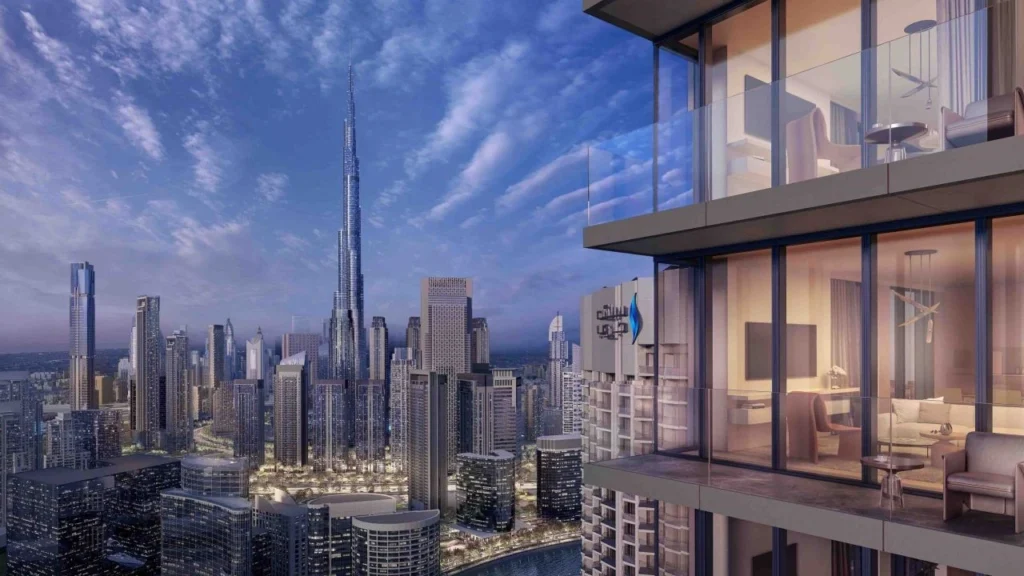
This risk is more pronounced in peripheral areas developed rapidly without supporting infrastructure, and in the serviced apartment segment.
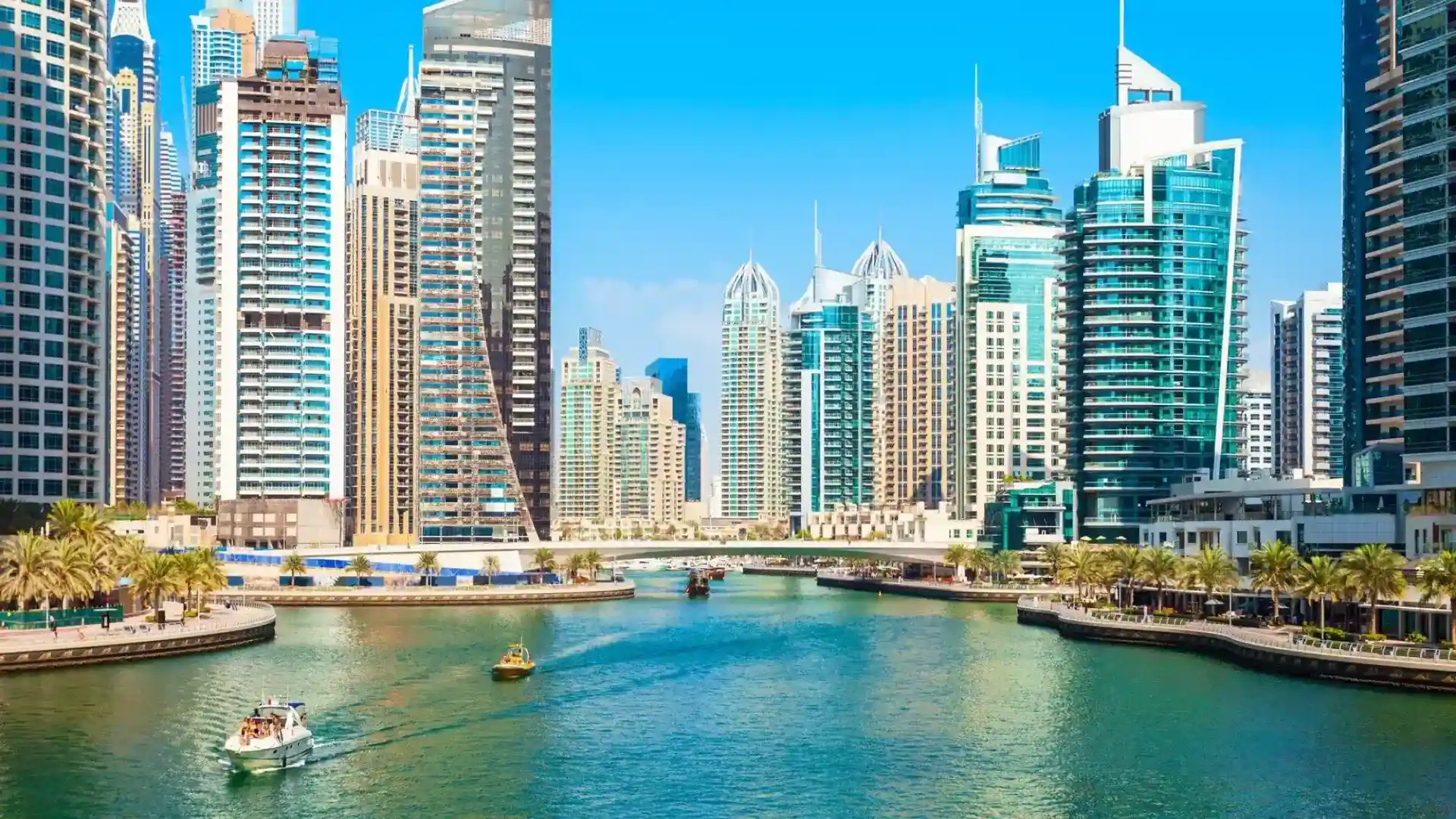
The mitigation: Focus on zones with proven rental demand and established infrastructure. Areas like Dubai Marina, Business Bay, JVC, and Downtown Dubai have deep tenant pools and consistent occupancy. Avoid peripheral zones from developers with no track record in that specific location. Ask developers at the expo for occupancy rate data and historical yield performance in their specific building and zone.
Risk 5: Legal and Compliance Risk for Indian Buyers
Indian investors face a specific additional layer of risk that does not apply to buyers from most other countries. FEMA regulations, LRS limits, mandatory foreign asset disclosures, and DTAA structuring all create compliance obligations that, if mishandled, carry serious penalties.
India’s Black Money Act imposes severe penalties for non-disclosure of foreign assets. Incorrect classification of remittance purpose, failure to declare rental income under Schedule FSI, or missing Schedule FA filings can all create legal and financial problems entirely separate from the Dubai investment itself.
The mitigation: This risk is entirely manageable with the right professional guidance. Before purchasing, engage a CA with FEMA and international tax experience. Ensure your LRS remittance is correctly documented with your bank. File Schedule FA every year from the year of purchase. Declare all rental income under Schedule FSI and apply DTAA relief correctly. The compliance burden is not onerous when handled properly from the start.
Risk 6: Property Management Challenges for Remote Owners
Indian investors owning Dubai property from India face an obvious practical challenge: they cannot manage the property themselves. Tenant sourcing, rent collection, maintenance, and lease renewals all require on-the-ground management.
Poor property management can result in extended vacancies, below-market rental rates, maintenance neglect, and tenant disputes. These issues are more common when investors use informal or unvetted management arrangements.
The mitigation: Appoint a RERA-licensed property management company before your first tenant moves in. Fees typically range from 5 to 8% of annual rental income. This cost is modest relative to the management problems it prevents. Ask the developer at the expo for property management recommendations tied to their specific building — many developers have affiliated management services.
Risk 7: Choosing the Wrong Developer or Project
Not all Dubai developers are equal. The market includes a range of operators from globally established brands to smaller, less experienced developers with limited delivery histories. Choosing the wrong developer is one of the risks of buying property in Dubai that is entirely within the investor’s control.
Smaller or newer developers may offer attractive payment plans and headline pricing to attract buyers, but they carry higher delivery risk and less price resilience on resale.
The mitigation: Buy only from developers with verifiable completed projects and DLD registration. The simplest way to ensure this as an Indian investor is to attend the Dubai Property Expo in India. Every developer present at the expo is vetted against the DLD registry before the event. You are not browsing an open marketplace of unknown operators. You are sitting across from established, verified developers with completed project records.
The Risk of Not Investing: A Final, Honest Point
Every risk listed above has a mitigation. None of them are reasons to avoid Dubai property entirely. There are reasons to buy carefully, buy from verified developers, and handle your Indian compliance properly.

There is one risk that is almost never discussed in these conversations: the risk of doing nothing while inflation erodes your rupee savings, domestic property yields deliver 2 to 3%, and a zero-tax, high-yield market continues to compound for investors who acted.
The risks of buying property in Dubai are manageable. The risk of missing a well-timed overseas investment is harder to recover from.
Frequently Asked Questions
What is the biggest risk of buying property in Dubai for Indian investors?
The most significant risk is the off-plan developer default or delivery delay. This risk is substantially mitigated by RERA’s mandatory escrow system and by buying only from DLD-registered developers with a completed project history.
Is Dubai property safe to buy in 2026?
Dubai’s regulatory framework is significantly stronger than it was in the pre-2008 period. RERA’s escrow protection, the DLD’s developer registry, and mandatory construction milestone verification all protect buyer funds. Purchasing from established developers through a vetted channel like the Dubai Property Expo reduces risk further.
Can I lose all my money buying off-plan property in Dubai?
A total loss scenario requires both developer default and escrow failure, which is extremely unlikely under current RERA regulations. In a worst-case developer default, escrow funds are protected and returned to buyers. Partial losses are more plausible in a severe market downturn, particularly for investors who overpay or invest in oversupplied zones.
What happens if I do not declare my Dubai property in India?
Non-disclosure of foreign assets in India is a serious offence under the Black Money Act, carrying penalties of up to 300% of the undisclosed asset value plus potential prosecution. Always declare your Dubai property under Schedule FA from the year of purchase. This is not optional.
How do I avoid the risks of buying property in Dubai as a first-time Indian investor?
The three core steps are: buy only from DLD-registered developers with delivery history, engage a FEMA-qualified CA for Indian compliance, and appoint a RERA-licensed property manager before your first tenant. Attending the Dubai Property Expo in India addresses the first point by curating your developer access before you walk through the door.
Ready to Invest Wisely in Dubai? Start With the Right Room
Understanding the risks of buying property in Dubai is what separates informed investors from impulsive ones. The risks are real, specific, and manageable. The returns, when accessed correctly, remain among the strongest available to Indian investors in any overseas market.
The Dubai Property Expo in India removes the most fundamental risk: choosing the wrong developer. Every developer present is DLD-registered, RERA-compliant, and carries a verified delivery record. You compare projects, ask hard questions, and make decisions with complete information, all in your city, all for free.
Register now at dubaipropertiesexpo.co.in and take the informed first step toward your Dubai investment.